Process
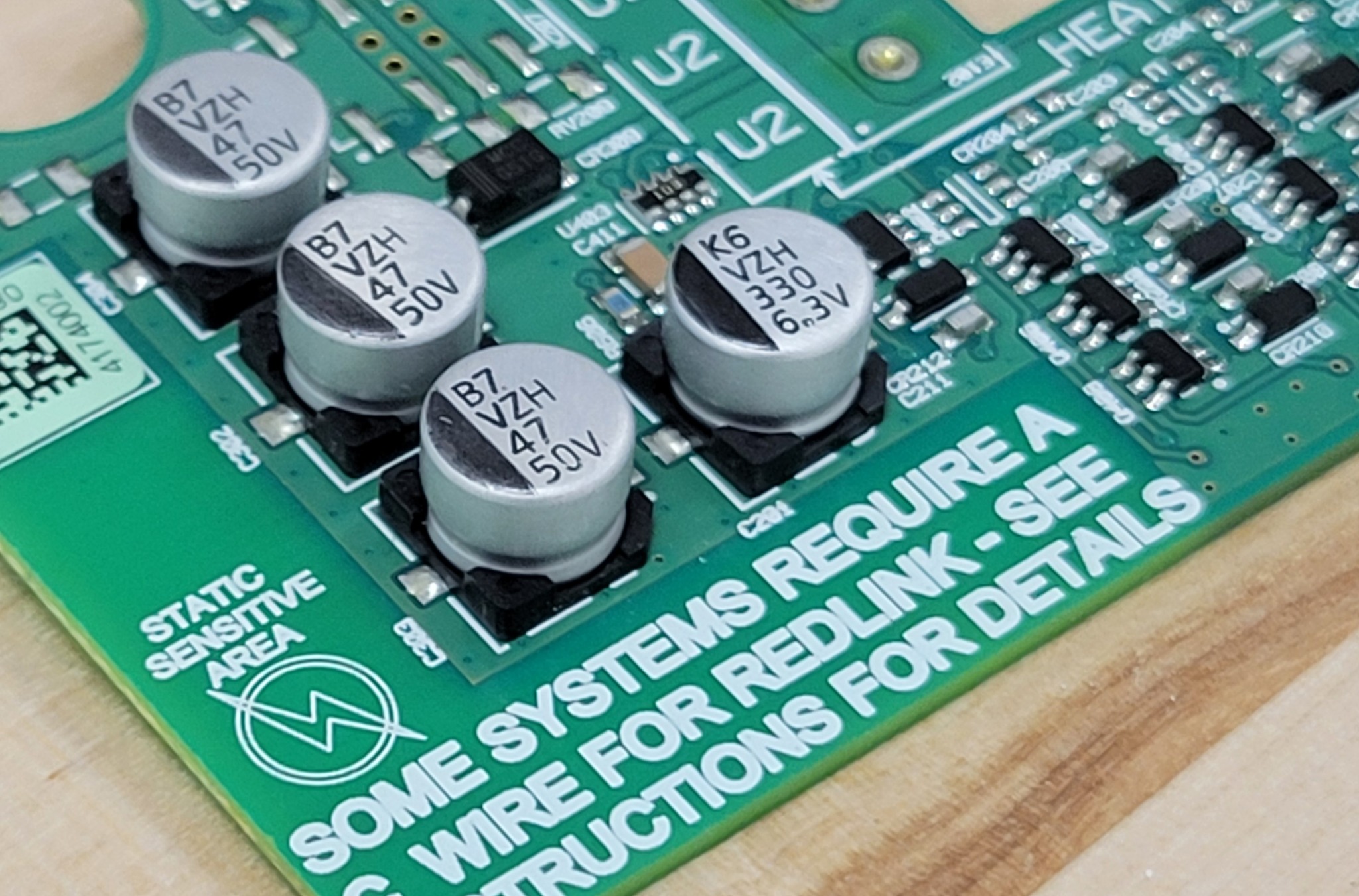
Built for startups, inventors, and small product companies. Some projects arrive ready for production, others start as a concept. We adapt to both — building directly from your files or developing the design step by step.
What to send first
Preferred: schematic files (Altium, KiCad, Eagle, OrCAD), PCB design files or Gerbers, and BOM if available.
If standard design files are not available: schematic drawings in PDF, along with a clear product description, notes, sketches, screenshots, or photos of an existing prototype can be used to develop the design.
Minimum fallback: clear breadboard photos can be enough in some cases to reconstruct the circuit and move forward.
How the work typically moves
- Review the idea, files, or prototype.
- Clarify requirements and missing details.
- Create or update the schematic.
- Build the PCB layout.
- Assemble and test prototype boards.
- Support revisions, updates, and repeat builds.
Long-term model
Many projects continue beyond the first prototype. They move through revisions, repeat builds, and ongoing electronics support as the design develops.
Who this fits best
This fits clients who have a product idea or an early-stage device but do not want to build the electronics pipeline themselves. It is especially useful when time needs to stay focused on sales, customers, and business growth instead of board-level execution.